Essential Questions to Ask When Visiting an Auto Body Shop Near Me
Essential Questions to Ask When Visiting an Auto Body Shop Near Me
Blog Article
Car accidents are an all-too-common experience for many drivers, often resulting in vehicles that require substantial repair work. The process of collision repair includes a variety of services designed to restore your car to its condition before the accident. Understanding the nuances of collision repair is important for anyone who owns a vehicle, whether dealing with minor repairs or significant structural issues. The quality of the repairs conducted can play a major role in ensuring your vehicle is safe and performs optimally. If you're in need of expert assistance, consider visiting a trusted auto body repair shop that can deliver the necessary repair work for your vehicle. For information on collision repair services available in Houston, check out tailored options that suit the needs of your automobile this website. Collision repair encompasses a thorough procedure that varies significantly based on the degree of damage sustained. When a car is involved in an accident, a number of components may be impacted including the frame, exterior paint, and various mechanical elements. The primary objective of collision repair is to restore the vehicle to its pre-accident factory conditions. To begin with, the auto repair shop will conduct a comprehensive evaluation of the vehicle to pinpoint all damage areas. This evaluation includes identifying hidden damages that might not be obvious at first glance. After the inspection is completed, a detailed estimate is provided that outlines the needed repairs and their associated costs. Typical services available include frame alignment, body panel replacement, painting, and refinishing. Each stage serves a crucial purpose in ensuring that the vehicle not only looks appealing but also maintains its structural integrity, thereby ensuring safety while driving. Techniques employed in collision repair may differ significantly based on the type of damage incurred. For minor dents and blemishes, approaches such as paintless dent repair are often utilized, which avoids the need for repainting the vehicle. This method is less intrusive and helps preserve the original finish. For more considerable damage, standard repair practices may require removal of damaged components and their replacement with new or refurbished parts. This guarantees that the vehicle is returned to a condition that closely resembles its original state. Once repairs are finalized, finishing processes like sanding and repainting are carried out to achieve a flawless look. The application of advanced technology and tools is crucial during this stage, particularly in auto body collision repair. Laser measurements and computerized paint matching can significantly enhance both precision and quality, ultimately resulting in a more satisfactory outcome. Choosing the right collision repair shop can be a daunting task, but several key factors can guide your decision-making process. Start by researching certified auto body shops in your area, as certifications indicate adherence to industry standards. Look for customer reviews and testimonials; these can provide insights into the quality of service and the experiences of others. Additionally, consider the warranties offered by the repair shop. A reputable collision repair facility will stand behind their work and provide warranties on both parts and labor. This can offer peace of mind knowing that if an issue arises after repairs, you have recourse. It’s also advisable to ask about the types of materials used during repairs, as quality components can have a significant impact on the longevity and safety of the repairs. Understanding the costs associated with collision repairs is essential for planning your budget following an accident. Costs can vary widely based on factors such as the severity of the damage and the type of repairs needed. For minor cosmetic repairs, costs may range from a few hundred to a thousand dollars. However, extensive damage, particularly in structural components, can lead to bills in the thousands. When estimating repair costs, it’s crucial to obtain quotes from multiple auto body repair shops. This allows you to compare pricing and also understand the services included. Keep in mind that going for the lowest cost option may not always be the best choice, as it could compromise quality. Always prioritize shops that offer excellent service and warranties over just price considerations. For more detailed breakdowns, refer to resources like the automobile repair page on Wikipedia, which offers comprehensive information about various types of vehicle repairs. Being prepared can significantly enhance your experience with collision repairs. Take these tips into account.Steps to Follow for Effective Collision Repair
Grasping the Essentials of Collision Repair
Common Techniques Utilized in Collision Repair
Selecting a Collision Repair Shop: What to Consider
The Cost of Collision Repair: What to Expect
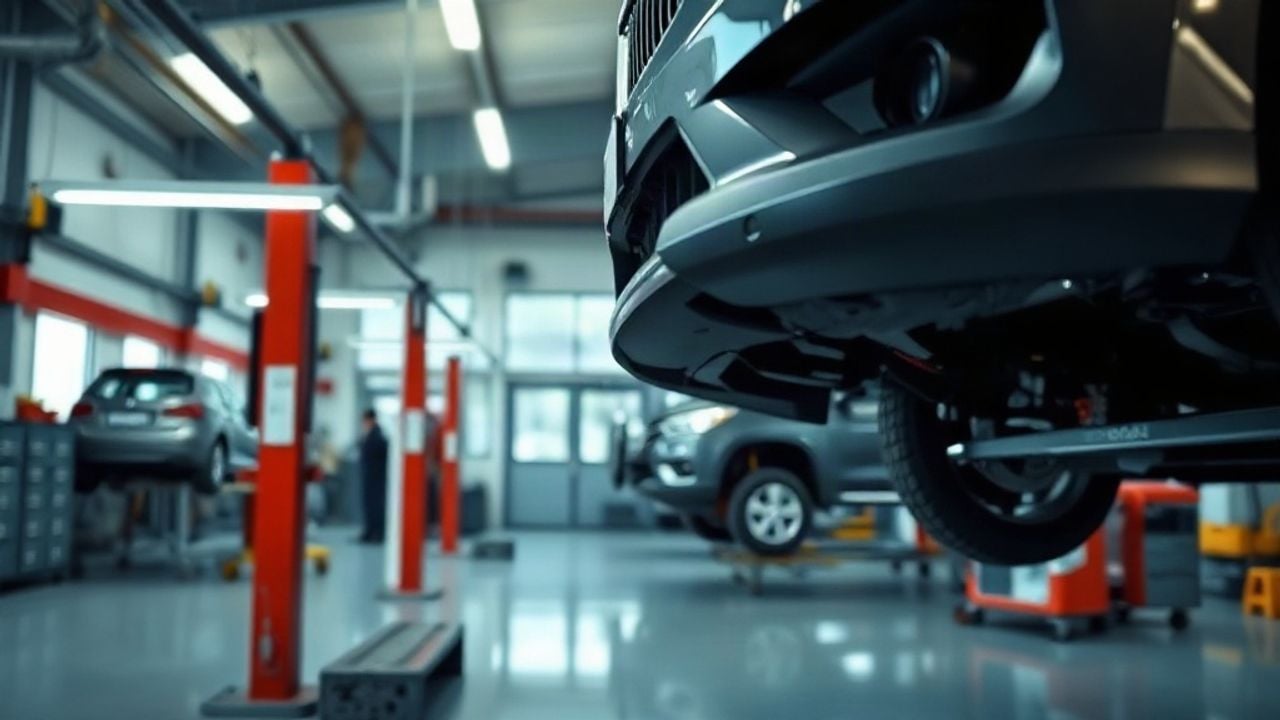 auto body shopcollision repair
Tips for a Smooth Collision Repair Experience
collision repair
Frequently asked questions
What is collision repair?
Collision repair is defined as the series of processes aimed at restoring a vehicle to its pre-accident condition after it has been involved in a crash. Repair tasks can include fixing the framework, mechanical components, and body parts of the vehicle, accompanied by repainting and detailing for a fresh look.
How do I choose a collision repair provider?
When selecting a collision repair provider, consider verifying their certifications, reviewing feedback from prior customers, checking for warranties, and collecting estimates from various repair shops. This approach helps you ensure that you're making an informed decision for high-quality repair services.
How much does collision repair cost?
Costs associated with collision repair fluctuate significantly, depending largely on the level of damage you are dealing with. Simple repairs can be quite affordable, costing only a few hundred dollars, while substantial repairs may run into the thousands. It is beneficial to obtain multiple estimates to better comprehend the potential costs.
What are common types of collision repairs?
Several common types of repairs are needed after a collision, including repairs to the vehicle's frame, panel replacements, paintless dent repairs, scratch fix-ups, and complete vehicle refinishing. The exact services required will largely depend on the extent of the collision's destruction.
Do all collision repair shops offer warranties?
Many collision repair shops do not provide warranties, so it’s important to confirm this information prior to consenting to repairs. Most trustworthy shops tend to guarantee their work through warranties that cover both the components used and the labor performed.
The importance of collision repair cannot be overstated; it plays a key role in maintaining both the safety and appearance of your vehicle. Gaining knowledge about the repair procedure, associated costs, and selecting a reliable service provider can significantly improve your experience following an accident. Emphasizing quality is essential for ensuring your vehicle's continued safety on the road.
By focusing on meticulous care throughout the repair process, your vehicle can be effectively restored, allowing you to drive again with confidence. It’s crucial to make well-informed decisions and seek advice from trusted auto body shops for optimal outcomes.